Blog

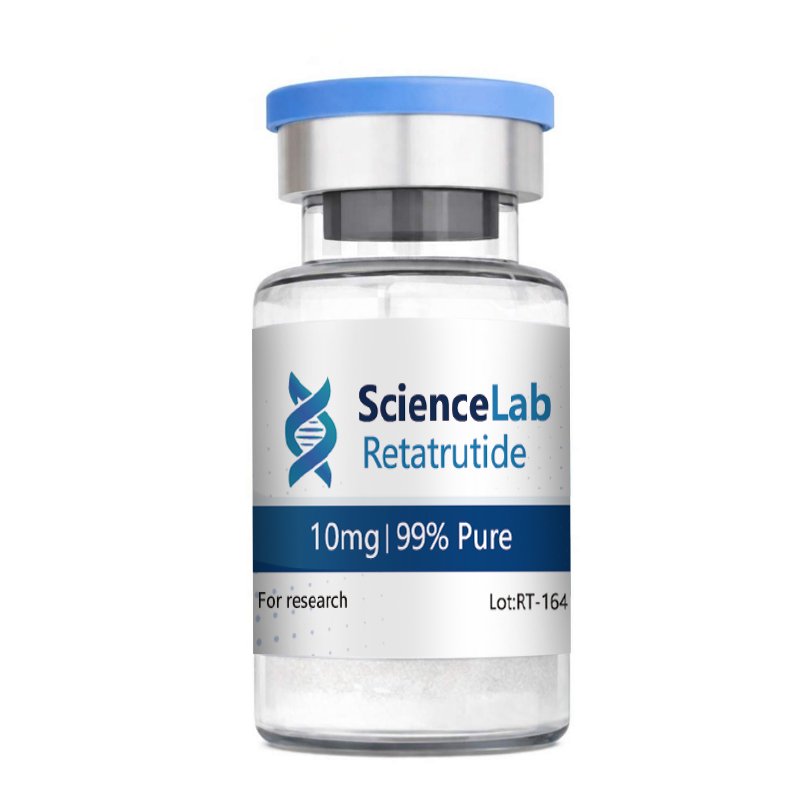
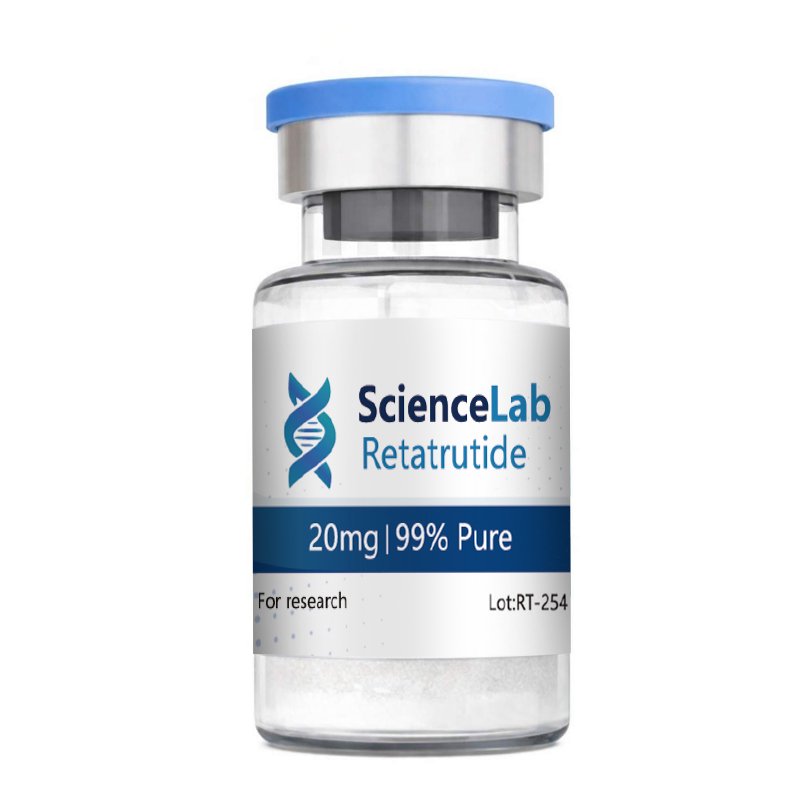
  • How Retatrutide 30 MG Supports Modern Weight Loss Goals

    How Retatrutide 30 MG Supports Modern Weight Loss Goals

    It has been reported that the maintenance of a healthy body weight has become an increasing aim for many due to the rise of obesity and metabolic disorders worldwide. Next to balanced diets and exercising regularly, researchers have now looked into possible new approaches to aid in healthy weight maintenance, and among them there are promising research interests into peptides such as Retatrutide 30 MG. The researchers are studying how these can contribute to modern weight loss objectives and metabolic health in the long term.

    What Is Retatrutide 30 MG?

    Retatrutide 30 MG is a peptides research subject of high interest, in fields such as obesity studies and metabolic research. Its structure is tailored in order to communicate with diverse biological systems involved in metabolism, energy consumption and appetite regulation. While some therapies attempt to modify the human body on a single biologic level, researchers are exploring how Retatrutide will affect multiple bodily functions concurrently.

    A Peptide sends messages from cell to cell by the aid of their receptors, and so researchers aim at understanding the function of these signaling networks and how they aid the healthy metabolic state of the body, making Retatrutide Canada to be often the word on the lips of researchers and professionals in metabolic and weight related areas.

    How Retatrutide 30 MG Works

    The Human body utilizes a wide network of hormones, organs and signaling systems to control its own body weight. All these different factors work in controlling eating, energy intake and blood sugar, among many others. Scientists are attempting to find out how Retatrutide 30 MG interacts with those networks so as to learn how its body weight regulating functions can best serve the human body.

    Currently, scientific study hints at Retatrutide interfering with receptors which mediate satiety, glucose homeostasis, and energy balance. Studying these interactions would go a long way in helping scientists understand how a peptide based treatment might benefit the body’s inherent processes that regulate weight and health. Research in this field continues, and as far as peptides are involved, Retatrutide still plays a key role in metabolism.

    Exploring the Potential Retatrutide Benefits

    As peptides are becoming a research hotspot, science and research fields across the world are continually looking into the potential Retatrutide benefits. Appetite regulation has remained one of the main research directions as how to best promote fullness would yield significant insights for the treatment and maintenance of weight. Researchers are also examining the impact on glucose utilization, metabolism optimization and energy balance in the human body. Although continued scientific studies will clarify its actual effect, peptide research is an area that still needs to evolve.

    Retatrutide 30 MG and Modern Weight Loss Goals

    Weight loss isn’t the same as before; people want a healthy body in all its forms and the improvement of metabolic well-being to be sustained in the long run. It is therefore understandable that scientists and doctors seek approaches that target all aspects of metabolism to combat obesity, a phenomenon in which many physiological functions play a role. It is for this reason that Retatrutide 30 MG is being pursued within the metabolic community, and many professionals look at the peptide as a potentially valuable complementary solution. After all, successful weight management often involves the combined efforts of lifestyle changes and new medical breakthroughs.

    Why Retatrutide Canada Continues to Attract Scientific Interest

    The increased interest in Retatrutide Canada goes hand in hand with a more general global scientific interest in peptides. Many institutions, from universities to private labs, are actively pursuing research into the role of peptides in the regulation of appetite and metabolism. Scientists are curious about how peptide signalling affects energy expenditure, and metabolic adaption over time. With current research techniques, we can get more detailed data regarding metabolic signaling pathways and how these are interconnected with weight.

    The Growing Importance of Retatrutide Peptide Canada Research

    Advancement in scientific disciplines such as biochemistry and metabolic research have made studies into Retatrutide peptide Canada of paramount importance. This is due to advanced peptide synthesizing and analysis technologies that enable us to explore peptide signaling at unprecedented levels, providing a deep understanding into cell signaling mechanisms and metabolic pathways. Research into how different peptide based products might provide a new range of therapies for obesity management will hopefully produce further research into areas such as metabolic function, peptide signaling, and energy consumption.

    Conclusion

    Further research into Retatrutide 30 MG remains on-going as the field of metabolic research continues to develop alongside advances in peptide science. Ongoing investigations aim to improve our knowledge regarding Retatrutide benefits, and its impact on metabolic control, including the overall scientific attention on Retatrutide Canada and Retatrutide peptide Canada. Researchers looking for a variety of reliable peptides for lab research in the areas of metabolism and obesity, would do well to check the peptide offerings at ScienceLab Peptide.

  • Science of Muscle Recovery Peptides for Athletes

    Science of Muscle Recovery Peptides for Athletes

    Muscle recovery peptides are gaining significant attention in research for their potential role in supporting the body’s natural recovery processes after intense physical activity. Effective recovery is essential for muscle growth, endurance, improved performance, and long-term athletic development. During exercise, muscle fibers experience stress and microscopic damage, prompting the body to activate complex biological processes that reduce inflammation, stimulate protein synthesis, regulate cellular signaling, and repair damaged tissues.

    Researchers are investigating muscle recovery peptides to better understand how they may help enhance these natural regenerative mechanisms, support tissue repair, and optimize recovery following strenuous training. While ongoing studies continue to explore their potential, these peptides remain an important area of scientific research in sports performance and regenerative science.

    What exactly are muscle recovery peptides?

    Body muscle recovery peptides are also made from chain-linked amino acids which the body uses to relay signals between cells. This signaling controls a range of biological functions: including the production of hormones, immunity, the communication of cells to one another, and metabolism and repair of tissue. The body’s muscle repair peptides also intrigue the scientific world due to their perceived influence on the process of muscle repair after exertion. The way peptides connect to cells is different to a lot of other regular Sports Supplements, they work via connecting to other cells using special receptors.

    Because of this, scientists specializing in exercise physiology and sports medicine are looking at peptides closely to understand how their activity impacts recovery.

    How peptides actually aid in muscle recovery

    When you workout, you place the muscles in your body under strain, and micro-damage happens. To recover your tissues, your body starts its normal repair and recovery procedures, including the creation of protein and managing cellular inflammatory responses, chemical signaling, and cell rebuilding. Because certain peptides have been shown to communicate with cells involved in inflammation, cell remodeling, and muscle rebuilding, these are what researchers interested in muscle recovery peptides are studying.

    This recuperation, along with adaptations, can then improve performance and decrease chances of injury by making the muscles more efficient.

    Therefore, muscle recovery peptides have remained an area of interest in sports medicine and regenerative research.

    How do the biological signals known as muscle recovery peptides perform their work? They function by signaling cells in your muscles to take part in specific cellular functions that support tissue remodeling and reconstruction after exercise and trauma.

    Assisting Muscle Repair

    When exercise causes some trauma to muscle fibers, the body’s repair mechanism kicks in. Several muscle recovery peptides are currently being explored to determine if they can help with tissue regeneration and cellular healing. Scientists have found that such peptides can influence how cells and tissues regenerate in order to improve muscle recuperation and repair following tough training. Protein synthesis, cellular remodeling, and communication all play key roles in the healing process, and research has indicated that these functions might be influenced by specific peptides.

    Assisting with muscle growth and recuperation

    For athletes, a balance of training and recuperation is vital to achieving progress over time. Because physical development and training stimulus need recuperation for successful physiological changes, how muscle recovery works has long been a topic of discussion among athletes and researchers. Research continues into how certain outdoor-signaling pathways contribute to muscle development and recuperation, potentially by impacting tissue restoration and physiological adjustments made by your muscles after training.

    Muscle repair peptides and athletic development

    A good number of professional athletes are recognizing that proper recovery is essential for sustained athletic development and success. Better tissue repair results in less down time and more training with improved physical and physiological adaptations to intense work. Researchers who research peptides continue to investigate their role in the recuperation process of athletes and in assisting the restoration of tissue damage following exercise. Muscle recovery peptides is a growing area of interest in research in both sports medicine and regenerative medicine.

    Why is it that peptides remain a point of discussion around bodybuilding peptides Canada?

    The current growth of peptide research in all regions of the globe includes considerable interest from organizations and individuals interested in bodybuilding peptides Canada and beyond. Sports performance professionals and researchers are investigating how peptide therapy may help with recuperación and adaptation processes, among other benefits. The interest in bodybuilding peptides Canada and related topics is due to peptides having very particular biological functions and interacting with specific physiological targets. As our understanding grows, peptide research may contribute to athletic and recuperation science in many different parts of the globe.

    Upcoming future of research on muscle recovery peptide research

    As scientific discovery regarding exercise physiology and regenerative biology increases, peptides that help muscle recuperate, repair, and grow become increasingly important. Researchers are working on new ways peptides for muscle repair, muscle regeneration and development, and even body building peptide therapies such as the ones that have created much of the current interest in bodybuilding peptides Canada. Scientists are examining the relationship between physiological changes from intense training and their impact on recovery biology and how that affects an athlete’s capacity to perform for longer durations of time at their greatest level. New discoveries have emerged thanks to advances in cellular biology and exercise physiology science and have provided more advanced methods to monitor and modulate peptide activity, leading to an in-depth analysis of cellular signaling and its role in recovery.

    Summary

    Muscle recovery peptide research is moving at a fast pace in step with ongoing advances in exercise biology and regenerative research. It is a science field of extreme interest for professionals who focus on the best way to enhance the results of their training programs. Studies regarding peptides for muscle recuperation and muscle regrowth and repair, as well as topics related to the field of body building peptides Canada are being expanded. ScienceLab Peptide offers a range of top quality, research-grade peptides and can support you in your own research into recovery biology, muscular health, and athletic performance research around the world.

  • Cognitive Health Peptides Explained: Benefits and Research

    Cognitive Health Peptides Explained: Benefits and Research

    As interest in optimizing brain function continues to grow, more people are exploring ways to improve memory, focus, mental clarity, and overall cognitive performance. Cognitive health peptides have emerged as a promising area of research, offering potential support for brain health and neurological function. Modern lifestyles, including chronic stress, inadequate sleep, poor nutrition, aging, and environmental factors, can all impact cognitive well-being. These challenges have increased the demand for innovative research into compounds that may help support healthy brain function. Among these advancements, peptides have gained significant attention for their potential role in promoting cognitive health, enhancing mental performance, and supporting long-term brain wellness through scientific research.

    Although peptide science is still in its infancy stage, studies and early results have shown great potential.

    What are Cognitive Peptides?

    Peptides are basically a small chain of proteins that consist of anywhere from two to fifty amino acids that act as messengers throughout our bodies, regulating bodily functions, supporting our tissue, hormone signaling and our immune system. Cognitive peptides are short chains of proteins that have been proven to improve various aspects of brain functioning, like mental recall, focus and the ability to process information quickly. Where Conventional treatments influence various aspects of the body, peptides have a specific function targeting exact receptors or chemical compounds in our brain.

    Researchers have shown great interest in the development of cognitive peptides that affect our neurotransmission, neural cell growth, repair and overall maintenance.

    The Science Behind Peptides for Brain Health

    The brain has billions of nerve cells known as neurons, that make up incredibly complicated electrical and chemical signaling networks used to regulate our most important cognitive skills, like forming new memories, processing the way we think, learning new information, problem solving and decision making. Peptides that have the potential of positively impacting cognitive functions include neurotrophic peptides, which have the potential to modulate cellular processes within the brain which contribute to cell communication, growth, repair, as well as protection. Studies on peptides for brain health have indicated their potential capacity to influence certain pathways involved in signaling and information processing within brain cells.

    Neuroplasticity – or the brain’s capacity to modify its neural pathways in response to environmental cues, learning experiences and other inputs – has also shown peptides having an influence on this crucial brain function. Peptides’ mechanisms: How do peptides enhance the functioning of our brain? One of the main reasons that peptides can enhance brain functions are due to their ability to influence our cell signaling processes which allow effective and speedy transmission of neural information.

    Nootropic peptides: This group of peptides can affect different brain signaling paths in order to promote information retention, mental performance and even improve the ease with which one can learn new information.

    Researchers have begun to research how peptides can also influence memory through their interaction with certain neurochemicals that contribute to this function. Peptides for mental clarity: Maintaining focus is a very important function that many of us struggle with. Scientists have shown that some peptides for mental clarity are able to improve our focus by influencing neural signal pathways involved in cognitive and attention processes. Age-related decline of cognitive functioning: As people grow older, cognitive functions such as attention, speed of learning and recall tend to decline over time.

    Peptides for age-related cognitive decline are being studied, as it has been observed how these short proteins may help preserve and support cognitive function in older adults.

    Neuroprotective peptides: In the ongoing battle against diseases such as Alzheimer’s, dementia and other forms of cognitive deterioration, 1-3 peptide chains that protect neurons from the body’s inherent degenerative processes and cell-damaging oxidants have gained attention. In a world full of different threats to brain cells such as oxidative stress and free radicals, neuroprotective peptides have shown to significantly inhibit such damaging effects and protect cell membrane integrity. This area of research is very exciting for the future, as scientists develop the peptide science to enhance neuroprotection.

    Why are Nootropic Peptides receiving an increase of interest?

    Today’s society and hectic lifestyle lead people into a need to constantly boost the quality of their mental and cognitive abilities. Nootropics are very popular in such effort and the interest on peptides for nootropics has only begun to grow, as these unique short chains have a specificity for impacting certain neural mechanisms to ensure the optimum performance of the brain.

    The future of cognitive peptide research: In the ever expanding field of neuroscience, the scientific interest in and study of cognitive peptides has been constantly growing, especially since they provide a unique perspective on the human cognitive processes and brain development.

    Conclusion

    With continued scientific and technological advancements in peptide science, this area of research will surely revolutionize how we think about and treat various conditions relating to cognitive health, and may lead to the development of future interventions and improvements. Conclusion As the understanding of how our brain works continues to grow, the search for optimal brain health has brought cognitive peptides to the front row. From 1-3 peptide chains for brain health and other nootropic peptides to peptides for mental clarity and neuroprotective peptides, peptide science opens up a whole new set of opportunities. While it is vital that further scientific research be conducted, the early findings suggest a promising future.

    To explore the vast and rapidly evolving field of cognitive peptide science, ScienceLab Peptide offers a broad selection of research-grade peptides for your investigation.

  • The Science Behind Anti Aging Skin Care Peptides and Youthful Skin

    The Science Behind Anti Aging Skin Care Peptides and Youthful Skin

    The Science of Peptides and Young Skin Aging is an inevitable process, the result of time, environment, hormones, lifestyle, etc., all of these can influence the health and structure of the skin, creating the visible signs that it is aging, as as wrinkles, fine lines and changes in skin tone and elasticity. Anti aging skin care peptides are becoming a popular solution for maintaining healthy, youthful-looking skin. As we strive to age gracefully, and keep the skin beautiful and youthful, science continues to identify new ingredients to help us with that process. The one we discuss is known peptides.

    What are Peptides?

    Peptides are basically small building blocks of proteins. More specifically, they consist of very small molecules, made of 2 to about 50 amino acids.

    We know they have a biological function in our body because there are over 7,000 identified human and bovine produced proteins, but researchers have only found a few human genes that code for small peptides.

    And not to say nothing of, other things, our bodies, both internally and topically (externally), are essentially proteins. That being said, researchers, for quite some time, began studying how these small peptides can have the function of, essentially instructing different things to be produced in our skin, to benefit it, at different times, when our skin cells actually start to reduce its function due to our age, environment, stress, and many other factors.

    Peptides are a group of skin care ingredients that is being called, by many in the medical profession and scientific field, the new wonder of aging. With no exaggeration. So many have been used with much success to address signs of aging, but a newer category and class of peptides called “signaling” peptides (which are among the best anti aging peptides), are being used more than any of the others for the purpose of repairing skin damage and supporting a youthful skin.

    Research is showing that different types of peptides have different functions when used for skincare.

    Some types may help signal the skin to produce its own collagen, some may support the hydration of the skin, and others may assist the skin in tissue repair. Each category of peptides contributes in some way to maintaining youthful skin. Researchers and dermatologists can attest to this. Peptides have proven to help skin in several different ways to continue its youthful appearance.

    How Do Peptides Help Your Skin?

    Peptides are some of the most revolutionary skin aging ingredients in today’s market and science, in large part because there are so many peptides for youthful skin that may be applied topically for various cosmetic effects. Best anti aging peptides, these powerful molecules that are known as “ signaling peptides”, actually tell your skin cells to perform specific functions, just as they would if you were younger, with perfectly healthy, perfectly functioning cells. Here are a few examples: Collagen.

    One important task they are tasked with is communicating the need for the repair and renewal of skin by stimulating the production of new collagen in the skin, supporting not only youthful skin, but a youthful appearance as well.

    Another way peptides for youthful skin will help your skin is with Hydration. A third is with tissue Repair, and the support of a healthy functioning barrier between the cells, as well as some have proven to help with the expression of Lines andWrinkles. The latest advancements in skincare peptides and anti aging research suggest that with the ongoing evolution of cosmetic science, peptides will become an integral part of all anti-aging programs. These amazing peptides not only help with the appearance of young skin, but will, over the years help maintain such youthful skin.

    Collagen peptides for skin, for the support and structural integrity they offer the skin has a great role to play.

    What is the benefit of anti aging skincare routine  

    Skincare with anti-aging peptides and peptides for youthful skin have exploded onto the anti-aging skincare scene in recent years, gaining a reputation as a powerful, effective ingredient. Peptides are naturally occurring short chains of amino acids that play a vital role in the body by making up different proteins. In the world of skincare and anti aging skin care, peptides act as signaling molecules, essentially triggering responses within the skin, like boosting collagen and elastin production, helping your skin look smoother, firmer and younger.

    You can think of them as the tiny couriers that get messages across to your skin cells, telling them what to do – and one of their key messages is: ‘It’s time to repair and rejuvenate!’

    When researchers first started studying peptides, there wasn’t that much science behind how they worked for anti aging skin care. Over time, science has begun to catch up, and we now have a deeper understanding of why peptides for youthful skin are a critical component of any effective anti aging strategy. For anti aging peptides, as well as peptides for wrinkles and other concerns have come under the scientific spotlight and proved to be incredibly effective. From the newest breakthroughs with collagen peptides for skin and skin rejuvenation peptides, to innovative and beneficial copper peptides for skin, these dynamic molecules continue to reshape the future of anti aging skin care.

    The product descriptions were compiled by product reviewers and for research use only, not intended to prescribe, diagnose, treat, or cure any condition.

    Conclusion

    As the field of peptide science advances, so does the interest in the potential role that these protein fragments could play in the next stages of anti-aging skincare research. Ranging from popular best anti aging peptides and anti aging peptides, to targeted formulations like the best anti aging peptides for skin – namely copper peptides for skin and best collagen peptides for skin. Scientists continue to delve into the mechanisms of peptides for supporting skin structure and maintaining moisture – but you have our attention! If you’re someone who’d like to find more opportunities to delve into the world of peptides – ScienceLab Peptide offers numerous research-grade peptides to buy.

  • Top Benefits of Peptides for Skin

    Top Benefits of Peptides for Skin

    Peptides have become one of the most trusted ingredients in modern skincare, especially in anti-aging formulations. As we age, the body’s natural production of collagen and elastin slows down, leading to fine lines, wrinkles, loss of firmness, and reduced skin elasticity. The best peptides for skin help to address these concerns by supporting the skin’s natural repair and renewal processes.

    Unlike harsh active ingredients that can irritate the skin, peptides work gently. They act as messengers that signal skin cells to perform functions associated with younger, healthier skin. This makes them an excellent choice for long-term skin maintenance, prevention of visible aging, and gradual, lasting results.

    What Are Peptides?

    Peptides are short chains of amino acids, which are the building blocks of proteins such as collagen and elastin. These proteins play a vital role in maintaining firm, smooth, and youthful-looking skin.

    When applied topically through serums, creams, or other skincare products, peptides communicate with skin cells and encourage them to repair damage, produce more collagen, and strengthen the skin barrier.

    How Do Peptides Benefit the Skin?

    Peptides offer a wide range of skin-supporting benefits, including:

    • Stimulating collagen production for firmer skin
    • Reducing the appearance of fine lines and wrinkles
    • Improving skin elasticity and texture
    • Strengthening the skin barrier
    • Enhancing moisture retention
    • Supporting skin repair and recovery
    • Calming irritation and inflammation
    • Promoting overall skin health

    Since peptides work in harmony with the body’s natural processes, results develop gradually but tend to be long-lasting with consistent use.

    How Do Peptides Work?

    Peptides penetrate the upper layers of the skin and interact with fibroblasts—the cells responsible for producing collagen and elastin. These compounds act like biological messengers, sending signals that encourage skin cells to:

    • Increase collagen and elastin production
    • Repair damaged skin
    • Strengthen the skin’s structure
    • Improve resilience against environmental stressors

    Because of their gentle nature, peptides are generally suitable for most skin types, including sensitive skin.

    Top Peptides Used in Skincare

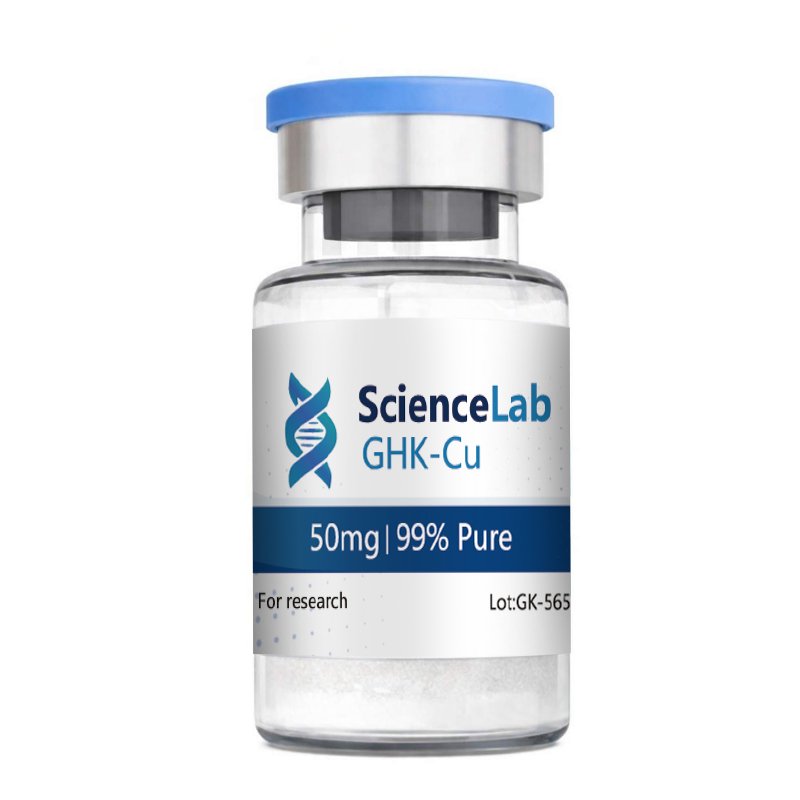
    1. Copper Peptides (GHK-Cu)

    Copper peptides are well known for their skin-repairing and regenerative properties.

    Benefits:

    • Stimulate collagen and elastin production
    • Improve skin firmness and elasticity
    • Support skin healing and regeneration
    • Reduce visible signs of aging

    2. Matrixyl (Palmitoyl Pentapeptide-4)

    Matrixyl is one of the most researched anti-aging peptides available today.

    Benefits:

    • Helps reduce fine lines and wrinkles
    • Boosts collagen synthesis
    • Improves skin texture
    • Enhances smoothness and firmness

    3. Argireline (Acetyl Hexapeptide-8)

    Often referred to as a “Botox-like peptide,” Argireline helps soften the appearance of expression lines.

    Benefits:

    • Minimizes forehead and crow’s feet wrinkles
    • Smooths fine lines
    • Helps prevent deeper wrinkle formation
    • Creates a more youthful appearance

    4. Palmitoyl Tripeptide-1 & Palmitoyl Tetrapeptide-7

    These peptides are commonly combined in skincare products for enhanced results.

    Benefits:

    • Support skin repair and renewal
    • Improve hydration and barrier function
    • Reduce inflammation
    • Increase skin resilience

    5. Multi-Peptide Formulas

    Many advanced skincare products contain a blend of peptides to target multiple concerns simultaneously.

    Benefits:

    • Improve firmness, hydration, and elasticity
    • Address multiple signs of aging
    • Support overall skin health
    • Provide comprehensive skincare benefits

    Choosing the Best Peptides for Your Skin

    The ideal peptide depends on your specific skincare goals:

    • For wrinkles and fine lines: Matrixyl and Argireline
    • For skin repair and regeneration: Copper Peptides
    • For daily anti-aging support: Multi-Peptide formulas
    • For sensitive skin: Gentle peptide-rich moisturizers

    For best results, peptide-based products should be used consistently for at least 8–12 weeks. Regular use allows the skin enough time to build collagen and show visible improvements in firmness and texture.

    Long-Term Benefits of Peptides for Skin

    Adding peptides to your skincare routine can provide several lasting benefits:

    • Firmer, more elastic skin
    • Reduced appearance of wrinkles and fine lines
    • Improved skin texture and smoothness
    • Enhanced hydration retention
    • Stronger skin barrier protection
    • Better skin recovery and resilience
    • Healthier, more youthful-looking skin

    Peptides often work even better when combined with ingredients such as hyaluronic acid, niacinamide, and antioxidants.

    Final Thoughts

    Peptides may not deliver overnight transformations, but they are among the most scientifically supported ingredients for improving skin health and reducing visible signs of aging. By promoting collagen production, strengthening the skin barrier, and supporting natural repair processes, peptides can play an important role in maintaining healthy, youthful-looking skin.

    With consistent use and a well-formulated skincare routine, peptide-based products can help improve skin firmness, texture, hydration, and overall appearance over time. For those looking to incorporate advanced peptide-based skincare solutions, ScienceLab Peptide offers a range of formulations designed to support skin renewal, collagen production, and long-term anti-aging goals.

  • Why Fat Burning Peptides Are Popular in Research?

    Why Fat Burning Peptides Are Popular in Research?

    The field of metabolic and weight management research has expanded widely in recent years. Scientists continue to explore new compounds that may influence body composition, appetite regulation, energy expenditure, and metabolic processes. Among these compounds, peptides have attracted considerable attention due to their unique biological properties and targeted mechanisms of action. As research advances, fat burning peptides have become a major area of interest for investigators studying obesity, weight management, and metabolic health. Researchers are examining how specific peptides interact with hormones, cellular pathways, and physiological systems that play a role in fat metabolism.

    Understanding Fat Burning Peptides

    Peptides are short chains of amino acids that serve various functions within the body. They can act as signaling molecules, helping cells communicate and regulate biological activities. Certain peptides are being studied for their potential involvement in metabolic regulation, appetite control, and energy utilization.

    The growing interest in Fat Burning Peptides stems from their ability to interact with specific receptors and pathways. Unlike many traditional compounds, peptides are often investigated for their targeted activity, making them valuable tools in scientific studies focused on body weight and metabolism.

    Researchers continue to explore how these compounds may influence biological mechanisms related to fat storage, fat utilization, and overall metabolic function.

    Best Fat Burning Peptide Research Trends

    One reason peptides have become increasingly popular in research is the diversity of compounds available for scientific investigation. Different peptides are studied for different purposes, including appetite regulation, glucose metabolism, hormonal signaling, and energy balance.

    When discussions arise about the Best fat burning peptide, researchers generally focus on compounds that demonstrate promising activity in laboratory and preclinical studies. These investigations often examine factors such as metabolic efficiency, hormone interactions, and effects on body composition.

    It is important to note that scientific research evaluates peptides based on experimental objectives rather than consumer outcomes. Ongoing studies continue to generate valuable data regarding their biological functions and potential applications.

    The Science Behind Peptides for Fat Burning

    The popularity of peptides for fat burning research is closely linked to their role in biological signaling. Many peptides are being investigated because they may influence pathways associated with appetite regulation, insulin sensitivity, and energy expenditure.

    Researchers are particularly interested in understanding how peptide-based compounds interact with hormonal systems involved in metabolic balance. These studies help scientists gain deeper insights into the mechanisms that control body weight and fat distribution.

    Some research focuses on the relationship between peptides and satiety signals, while other investigations explore their effects on cellular metabolism. Together, these studies contribute to a broader understanding of metabolic health and weight management science.

    Which Is the Best Peptide for Burning Belly Fat in Scientific Studies?

    A common question in peptide research discussions is: which is the best peptide for burning belly fat? From a scientific perspective, there is no universal answer because different peptides are studied for different biological functions.

    Researchers evaluate compounds based on specific research objectives, experimental models, and measured outcomes. Some peptides are investigated for their influence on appetite-related pathways, while others are examined for their effects on metabolic activity and energy regulation.

    Scientific studies continue to compare various compounds to better understand how they interact with complex physiological systems. As a result, the research landscape remains dynamic, with new findings regularly contributing to the growing body of knowledge.

    Why Researchers Continue Studying Peptide for Fat Burning Mechanisms

    The continued interest in peptide for fat burning research is driven by the need for a deeper understanding of metabolic processes. Obesity and related metabolic conditions remain significant areas of scientific investigation worldwide.

    Peptides offer researchers an opportunity to study targeted biological interactions. Their ability to engage specific receptors and signaling pathways makes them valuable tools for exploring how the body regulates energy balance and fat metabolism.

    Additionally, advancements in peptide synthesis and analytical technologies have improved researchers’ ability to study these compounds with greater precision. This has accelerated the development of new research models and expanded opportunities for scientific discovery.

    Advantages of Peptides in Research Settings

    Several factors contribute to the growing popularity of peptides in research environments:

    1. Targeted Biological Activity

    Many peptides are designed to interact with specific receptors or pathways, allowing researchers to investigate precise physiological responses.

    2. Expanding Scientific Knowledge

    Peptide studies contribute to a broader understanding of metabolism, hormone regulation, and energy balance.

    3. Versatile Research Applications

    Researchers use peptides across multiple scientific disciplines, including endocrinology, metabolic science, obesity research, and molecular biology.

    4. Continuous Innovation

    The field of peptide science continues to evolve as new compounds are synthesized and evaluated for potential biological relevance.

    The Future of Fat Burning Peptides Research

    The future of peptide research appears promising as scientists continue to investigate novel compounds and mechanisms. Advances in biotechnology, molecular biology, and metabolic science are creating new opportunities to understand how peptides influence complex physiological systems.

    Researchers are increasingly utilizing sophisticated laboratory methods to study peptide interactions at the cellular and molecular levels. These efforts may help identify new pathways involved in metabolism and weight regulation.

    As scientific knowledge expands, Fat Burning Peptides are expected to remain an important focus of research. Their unique characteristics and targeted biological activity make them valuable tools for exploring the science of metabolism and energy balance.

    Conclusion

    The increasing interest in fat burning peptides highlights the scientific community’s commitment to advancing research in metabolism, weight management, and hormonal regulation. Ongoing studies continue to explore how these compounds interact with biological pathways involved in appetite control, energy utilization, and cellular communication. As research techniques evolve, peptides remain an important area of investigation, offering valuable insights into complex metabolic processes.

    At ScienceLab Peptide, researchers can access a wide range of high-quality research peptides designed to support scientific studies and laboratory applications. By providing rigorously tested compounds and maintaining high quality standards, ScienceLab Peptide helps contribute to the continued advancement of peptide research and scientific discovery.

  • Peptide Canada Market Trends in 2026

    Peptide Canada Market Trends in 2026

    The Canadian peptide market is expected to grow significantly in 2026 as demand for research peptides continues to increase. Peptides have become an important part of scientific studies, and researchers across Canada are using them in a wide range of laboratory and biotechnology research projects.

    As the understanding of peptides expands, more universities, research institutions, and biotechnology companies are investing in peptide-based studies. This growth has created a greater need for reliable suppliers that can provide high-quality research materials. As a result, the Canadian peptide market is becoming more competitive, with researchers seeking trusted sources that meet strict quality standards.

    Growing Demand for Research Peptides

    Canada has established itself as a strong contributor to scientific research and innovation. Researchers are exploring peptides for studies involving:

    • Cell function and behavior
    • Protein interactions
    • Metabolic processes
    • Biotechnology applications
    • Molecular and biological research

    Because of this growing research activity, laboratories require consistent access to high-quality peptide products that support accurate and reliable results.

    Quality and Transparency Are More Important Than Ever

    One of the biggest trends in 2026 is the increased focus on product quality and transparency.

    Researchers want confidence in the materials they use, which means suppliers must provide:

    • Certificates of Analysis (COAs)
    • Purity testing reports
    • Batch and lot information
    • Detailed product specifications
    • Proper quality control documentation

    Research institutions are becoming more selective when choosing reliable peptide suppliers, making quality assurance a key factor in purchasing decisions.

    Where Can Researchers Buy Peptides?

    A common question among new researchers is: Where can I buy peptides?”. The answer depends on the goals of the research project and the quality standards required.

    When choosing a peptide supplier, researchers should look for:

    • Verified product purity
    • Clear sourcing information
    • Certificates of Analysis
    • Batch tracking and lot numbers
    • Transparent quality control procedures

    Trusted suppliers also provide educational resources that help researchers understand proper storage, handling, and laboratory use of peptide materials.

    Technology Is Driving Market Growth

    Advancements in peptide manufacturing and testing technologies are helping improve product quality and consistency.

    Modern analytical methods allow suppliers to verify peptide purity more accurately than ever before. These improvements help researchers obtain dependable materials for their studies while also expanding the variety of peptide compounds available for research purposes.

    As scientific knowledge grows, researchers are seeking access to a wider selection of peptides that can support specialized experiments and emerging areas of study.

    The Increasing Role of Quality Assurance

    Quality assurance has become a major focus within the Canadian peptide industry. Before purchasing research materials, many laboratories now require:

    • Purity verification reports
    • Manufacturing information
    • Batch documentation
    • Certificates of Analysis
    • Quality control records

    Suppliers that maintain strong quality standards are gaining the trust of researchers and institutions. As demand continues to rise, quality assurance will remain one of the most important factors influencing supplier selection.

    Education Is Becoming a Priority

    Another growing trend in 2026 is researcher education. Leading peptide suppliers are investing in educational content that helps researchers better understand:

    • Peptide science
    • Product handling and storage
    • Research applications
    • Quality standards
    • Best laboratory practices

    Providing clear and informative resources helps researchers make informed decisions when selecting peptide products for their studies.

    Greater Transparency Across the Industry

    Researchers today want complete transparency from peptide suppliers. They want to know:

    • How products are tested
    • How purity is measured
    • What quality control procedures are followed
    • How products are manufactured and documented

    This increased demand for transparency is encouraging suppliers to improve their processes and maintain higher levels of scientific integrity.

    The Future of the Canadian Peptide Market

    The outlook for the peptide Canada market remains very positive. Continued growth in biotechnology, life sciences, and academic research is expected to drive demand for peptide research materials throughout 2026 and beyond.

    Some of the key trends shaping the industry include:

    • Higher quality standards
    • Improved manufacturing technologies
    • Expanded product availability
    • Stronger quality assurance practices
    • Increased researcher education
    • Greater transparency from suppliers

    As these trends continue, researchers will have access to better resources and more reliable peptide products to support scientific advancement.

    Conclusion

    The Canadian peptide market is entering an exciting period of growth in 2026. Rising demand for research peptides, advancements in biotechnology, and increasing expectations for quality and transparency are helping shape a stronger and more reliable industry.

    As researchers continue to seek trusted sources for laboratory-grade peptide materials, suppliers that prioritize quality assurance, product testing, and customer education will play an increasingly important role in supporting scientific progress.

    Among these trusted suppliers, ScienceLab Peptide contributes to the evolving Canada peptide market by providing high-quality research peptides, detailed product information, and a commitment to transparency and quality standards. By helping researchers access reliable peptide materials and educational resources, ScienceLab Peptide supports the growing needs of the scientific community and contributes to the continued advancement of peptide research across Canada.

  • How to Choose Reliable Research Peptide Supplier

    How to Choose Reliable Research Peptide Supplier

    The growing interest in peptide science has led to a rapid increase in the number of companies offering peptides for laboratory and scientific applications. Researchers, academic institutions, and biotechnology professionals are constantly looking for dependable research peptide supplier that provide high-quality materials backed by transparent testing and professional standards. Choosing the right supplier is essential because the quality and consistency of a Research Peptide can directly affect the accuracy and reliability of research outcomes.

    With hundreds of vendors available online, identifying trustworthy sources can feel overwhelming. Understanding what to evaluate before purchasing can help researchers avoid low-quality products, unreliable testing practices, and poor customer support.

    What are research peptides?

    Before selecting a supplier, it is important to understand what research peptides are and why quality matters so much in this field. Research peptides are short chains of amino acids designed for laboratory investigation and scientific studies. These compounds are commonly explored in areas such as cellular biology, metabolic research, regenerative science, and biochemical analysis.

    Because peptides are highly sensitive compounds, they require careful synthesis, purification, storage, and handling. Even minor inconsistencies in formulation or contamination can influence experimental data. This makes supplier credibility one of the most important considerations for researchers.

    How to understand the Importance of Purity Standards

    One of the first indicators of a reliable supplier is transparency regarding purity testing. High-quality Research Peptides are typically accompanied by Certificates of Analysis (COAs) and third-party laboratory reports. These documents help verify peptide identity, purity levels, and testing methodologies.

    Reputable suppliers often provide:

    • High-performance liquid chromatography (HPLC) testing
    • Mass spectrometry verification
    • Batch-specific analysis reports
    • Clear purity percentages
    • Detailed storage instructions

    When suppliers openly display testing information, it demonstrates a commitment to scientific standards and product consistency.

    Look for Transparent Manufacturing Practices

    Reliable peptide suppliers usually provide insight into their manufacturing and sourcing practices. Transparency builds confidence and helps researchers determine whether the company follows recognized laboratory and production protocols.

    A trustworthy supplier may mention:

    • GMP-compliant facilities
    • Sterile production environments
    • Controlled packaging methods
    • Quality assurance procedures
    • Research-focused manufacturing standards

    Professional companies also avoid exaggerated marketing claims and instead focus on scientific accuracy and technical information.

    How to evaluate Website Quality and Educational Content

    The quality of a supplier’s website often reflects the professionalism of the company behind it. Established peptide providers usually invest in educational resources, scientific articles, and detailed product documentation.

    Strong suppliers commonly include:

    • Educational peptide guides
    • Research summaries
    • Technical specifications
    • Storage recommendations
    • Laboratory-use disclaimers

    Companies that prioritize education often demonstrate a deeper understanding of peptide science rather than functioning solely as resellers.

    Verify Third-Party Testing and Documentation

    Independent verification is one of the most important factors when selecting suppliers for peptides for research. Third-party testing adds another layer of credibility because it confirms that testing was performed by an external laboratory rather than internally by the supplier alone.

    When reviewing documentation, researchers should check for:

    • Recent testing dates
    • Matching batch numbers
    • Laboratory credentials
    • Consistent formatting and reporting
    • Detailed analytical results
    • Missing or incomplete reports may indicate poor quality control practices.
    • Research Customer Reputation and Industry Presence

    Reputation matters significantly in the peptide industry. Reliable suppliers typically develop long-term trust within scientific and research communities through consistent service and dependable product quality.

    Researchers should evaluate:

    • Independent customer reviews
    • Scientific forum discussions
    • Industry reputation
    • Years of operation
    • Customer support responsiveness

    Established companies often maintain a strong presence within the scientific community and demonstrate professionalism through accurate communication and transparent policies.

    Examine Packaging and Storage Standards

    Peptides are highly sensitive to temperature, moisture, and environmental exposure. Improper packaging can compromise peptide stability before the material even reaches the laboratory.

    Professional suppliers usually use:

    • Secure vial sealing
    • Temperature-conscious shipping
    • Protective packaging
    • Proper labeling
    • Cold-chain handling when necessary

    Reliable packaging practices help preserve the integrity of Research Peptides throughout transportation and storage.

    Avoid Unrealistic Claims and Marketing Hype

    Another important factor when selecting a supplier is recognizing unrealistic or misleading claims. Professional peptide providers focus on scientific accuracy rather than exaggerated promises.

    Researchers should be cautious of suppliers that:

    • Guarantee extraordinary outcomes
    • Use aggressive marketing language
    • Lack scientific references
    • Provide vague testing information
    • Offer unusually low prices without documentation

    In scientific research, credibility and consistency are far more important than promotional claims.

    Compare Pricing Carefully

    Price alone should never determine supplier selection. Extremely cheap peptides may indicate compromised synthesis quality, inadequate purification, or insufficient testing procedures.

    Instead of focusing only on cost, researchers should compare:

    • Purity verification
    • Documentation quality
    • Customer service
    • Shipping standards
    • Supplier reputation

    Reliable suppliers generally maintain fair pricing that reflects professional manufacturing and testing standards.

    Assess Customer Support and Communication

    Strong customer support is another sign of a dependable supplier. Reputable companies usually respond promptly to technical questions and provide detailed information regarding products, shipping, and documentation.

    A reliable supplier should be able to:

    • Explain testing procedures
    • Provide batch documentation
    • Clarify storage requirements
    • Address shipping concerns
    • Offer professional communication

    Clear communication demonstrates accountability and builds confidence among research professionals.

    Why Supplier Selection Matters

    Choosing dependable suppliers for peptides for research is not only about purchasing a product. It is about protecting research accuracy, maintaining laboratory standards, and ensuring consistent experimental results.

    Poor-quality peptides can lead to:

    • Inconsistent findings
    • Wasted laboratory resources
    • Repeated experiments
    • Data reliability concerns
    • Delays in scientific progress

    Working with trustworthy suppliers helps researchers maintain confidence in the materials they use throughout their studies.

    Final Thoughts 

    Sciencelab Peptide is a valuable resource for individuals seeking peptide-related information, scientific literature, and research-based insights. The platform provides information on lab-grade peptides, research-use compounds, testing methods, and purity standards commonly associated with peptide studies. Users can also explore educational content related to recovery, metabolism, cognition, aging, and general fitness research. Its primary goal is to deliver science-focused information and help readers better understand ongoing studies, discussions, and developments within the field of peptide research.

  • Understanding Canadian Peptide and Research Peptide Without the Confusion

    Understanding Canadian Peptide and Research Peptide Without the Confusion

    Let us be real.

    Terms like Canadian Peptide and Research Peptide can often sound overly technical or difficult to understand. Many people assume these concepts are only meant for scientists or laboratory professionals. In reality, peptide research is much simpler when explained clearly.

    At its core, peptide science focuses on understanding how the body functions and how small protein compounds called peptides may support different biological processes. Rather than relying on assumptions, researchers study how the body responds to these compounds in areas such as metabolism, recovery, performance, and overall wellness research.

    What Does Canadian Peptide Mean?

    The term Canadian Peptide is commonly associated with quality-focused peptide research standards. Canada is often recognized for structured research practices and reliable manufacturing processes. Because of this, the phrase is frequently connected with consistency, transparency, and research-focused quality control.

    When it comes to products that are involved in scientific studies, reliability and trust are extremely important. Researchers and professionals typically look for peptide sources that maintain high standards and dependable formulations.

    Understanding Research Peptide in a Simple Way

    A Research Peptide is primarily used for scientific and laboratory research purposes. These compounds help researchers study how the body reacts, adapts, and responds to different biological processes. The goal is not simply fast results, but a deeper understanding of how peptides may interact within research environments.

    This scientific approach helps move away from guesswork and toward evidence-based learning. That is one of the main reasons peptide science continues to gain attention worldwide.

    Why Peptide Research Is Growing?

    People today are becoming more interested in science-backed approaches rather than temporary solutions. Instead of only asking what works, many now want to understand why something works. This growing awareness has increased interest in both Canadian Peptide standards and Research Peptide studies.

    Peptide research is often valued because it supports a more thoughtful and informed approach to scientific exploration. Researchers continue studying peptides for their potential role in metabolism, recovery, cellular activity, and wellness-related investigations.

    The Importance of Patience and Understanding

    Research peptides are not meant to be viewed as instant solutions. Scientific progress takes time, observation, and consistency. The purpose of peptide research is to better understand patterns, biological responses, and long-term possibilities through careful study.

    The more informed the approach, the more meaningful the research process becomes. Learning, asking questions, and understanding peptide science can help individuals and researchers make more confident decisions.

    Final Thoughts

    Understanding Canadian Peptide and Research Peptide does not have to feel confusing. At its foundation, peptide science is about learning more about the body through careful research and scientific observation. As interest in peptide studies continues to grow, more people are shifting toward knowledge-based decisions instead of relying on trends or assumptions. ScienceLab Peptide supports this approach by providing research-focused peptide solutions designed for quality, consistency, and scientific exploration.

  • Best Peptides for Fat Loss: What Actually Works

    Best Peptides for Fat Loss: What Actually Works

    Let us be honest for a second. Fat loss is really frustrating. You try diets you try various workouts you stay consistent for weeks and then suddenly nothing moves. That is usually the point where people start searching for something effective and that is where the idea of the best peptides for fat loss comes in.

    Here is the real question:

    • Do peptides actually work or are they just another fitness trend?
    • Let us break it down in a simple way.
    • What Are Peptides
    • Think of peptides as messengers in your body.
    • They tell your body what to do. Burn build muscle recover faster.

    That is why a good fat burning peptide can feel like it is switching something on inside your system. Unlike supplements you find in stores peptides do not just sit in your body they actively communicate with your body. That is the difference.

    Best Peptide for Fat Loss

    Now let us get practical. When people talk about the peptides for fat loss they usually mean these:

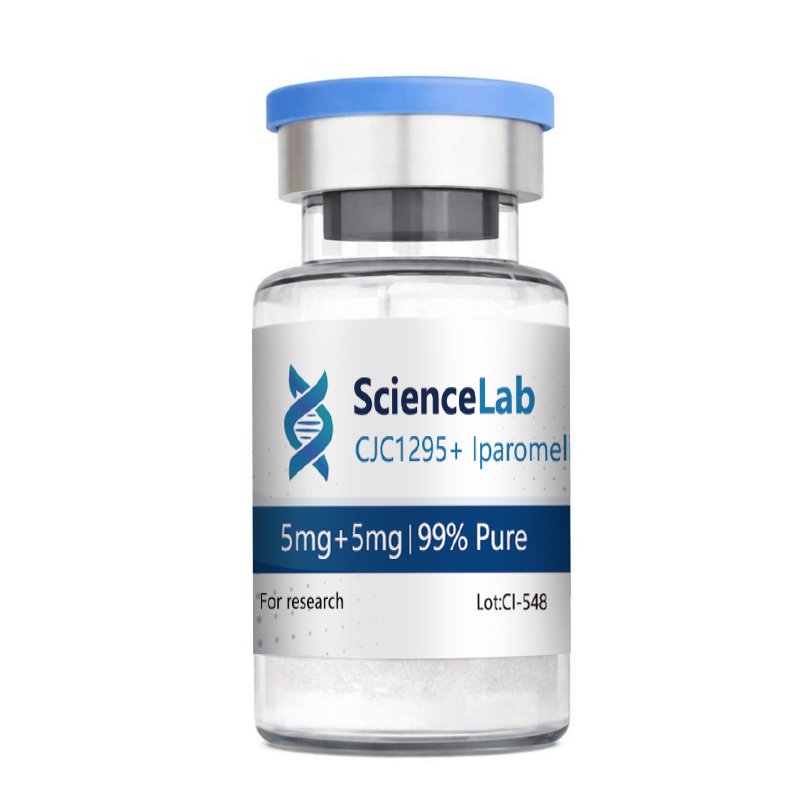
    CJC-1295 + Ipamorelin

    This combination is popular for a reason. It helps your body release growth hormone, which means better fat loss and muscle retention. In terms you lose fat without looking weak.

    AOD-9604

    If you are specifically looking for a burning peptide this one gets a lot of attention. Why?

    Because it focuses entirely on fat loss. It does not mess much with systems, which makes people feel more comfortable using it.

    Tesamorelin

    Are you struggling with stubborn belly fat?

    This is often considered one of the peptide for fat loss options for that exact problem. It targets fat the kind that does not go away easily.

    Weight Loss Peptide

    Here is where expectations matter.

    • A weight loss peptide is not magic.
    • It will not melt fat while you sit on your bed scrolling through media.
    • It can make your efforts actually work.

    People usually notice that fat loss becomes easier energy levels improve workouts feel more productive and recovery gets faster. That is why many consider a weight loss peptide as a support system, not a shortcut.

    What Using a Fat Burning Peptide Feels Like

    • This is the part most blogs do not talk about.
    • Using a burning peptide does not feel dramatic.
    • There is no transformation.

    Instead it is subtle: you feel more active your body responds better to workouts and fat starts dropping slowly but consistently. Honestly that is a good thing. Because fast results usually do not last.

    Is the Best Peptide for Fat Loss Safe?

    Let us not ignore the side. Even the best peptide for fat loss is not something you should use blindly. Yes peptides are generally considered safe when used correctly. Correctly is the key word here. Things to keep in mind: always take guidance do not experiment with random dosages and make sure the source is reliable. Some people may experience issues like water retention or slight fatigue nothing major but still worth noting.

    How to Choose the Best Peptide for Fat Loss

    Here is the truth: there is no best peptide for fat loss.

    • What works for someone may not work for you.
    • Ask yourself: do I want fat loss or targeted fat loss?
    • Are you already consistent with diet and workouts?
    • Are you ready to use this

    Because without discipline even the best tools will not help.

    Final Thoughts

    Peptides are not just a passing trend, nor are they a magic solution for instant results. The best peptides for fat loss can effectively support your fitness and wellness journey, but it works best when combined with healthy habits, proper nutrition, and consistent effort. Think of peptides as a tool that enhances your progress rather than replaces the hard work required to achieve lasting results.

    When used responsibly, a weight loss peptide or fat burning peptide may help support metabolism, energy levels, and overall body composition goals. However, true transformation still depends on discipline, patience, and maintaining a balanced lifestyle.

    At ScienceLab Peptide, we believe that choosing the right peptide for fat loss can make a meaningful difference in your journey. With the right mindset and consistency, peptides can provide the extra support needed to help you move closer to your fitness goals.